



Headaches are one of the most common pain conditions in the world. Most headaches fall into two main groups—primary and secondary.
- Primary headaches are those that do not result from another medical condition. This group includes tension-type, migraines, and cluster headaches.
- Secondary headaches include sinus headaches and headaches caused by things such as an infection, a head injury, overuse of certain medications, or a neurological problem.
Common Headache Types
Tension-type headaches are the most common form of headache. Because they are not generally severe.
Common pain symptoms of tension headache:
- Typically last several hours
- Usually affects the front, top or sides of the head
- Can lead to difficulty falling asleep and staying asleep
- Can cause irritability and disturb concentration
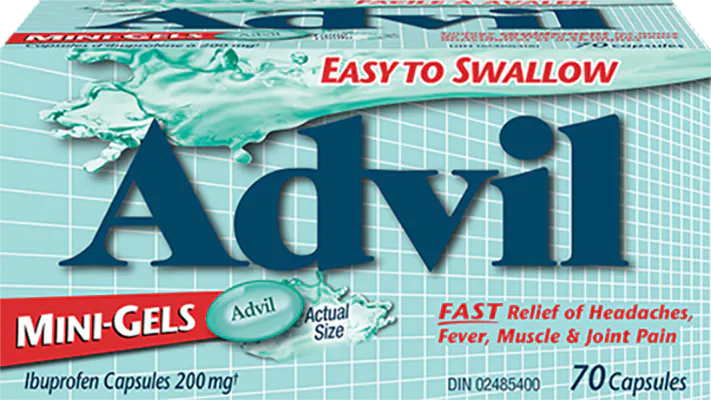
Treatment: Tension headaches can usually be treated successfully with an over-the-counter pain reliever such as Advil Liqui-Gels
Migraine Headaches are the second most common type of primary headache. Migraine pain can range from moderate to severe and is frequently described as pounding.
Common pain symptoms of migraine headache:
- Loss of appetite
- Nausea, vomiting
- Sensitivity to light, noise, or odours
- Fatigue
Treatment: Migraines may require a stronger OTC pain reliever like Advil Extra Strength Liqui-Gels. For more information on migraines, see Understanding Migraine Symptoms or Migraine Causes and Treatments.
Cluster headaches are the most severe type of primary headache, causing intense pain. The pain is generally centered in or around the eye region. Cluster headaches can occur up to eight times a day during a cluster period, which may last from two weeks to three months.
Common pain symptoms of cluster headache:
- Sudden, debilitating pain on one side of the head
- Watery eyes
- Nasal congestion or runny nose on the same side of the face
- Restlessness, inability to get comfortable
Treatment: Cluster Headaches are very severe, relatively rare and should be treated by a doctor.
Treating and Preventing Headaches
If you are suffering from a headache, a typical course of treatment can often be rest and taking a pain medication. For tension-type headaches and mild to moderate migraines, an over-the-counter non-steroidal anti-inflammatory drugs such as ibuprofen Advil Liqui-Gels can help relieve the pain.
Here are some other tips for treating and preventing headaches:
Identify triggers: Keep a headache diary and record what you eat and drink, if you skip any meals, when and how much you sleep, the amount and type of exercise you get, weather patterns, how much stress you are under, and your surroundings. Comparing the times when you get a headache with what you have recorded in your diary can help you pinpoint your personal headache triggers.
Stress management: Relaxation techniques may reduce your stress level, which could relieve your headaches. Techniques may include: relaxing your muscles, listening to soothing music, simple stretches, meditation, yoga, and possibly counselling.
If your headache pain is severe, persistent, recurs, or worsens, you should consult with a doctor. For more information about headaches, read other articles in the headache section on our website.