




That painful time of month? Don’t stress! We understand what you’re going through and you came to the right place. We’ve provided some helpful information below to better understand and manage the pain from your periods.
How do I get Period Pain Relief?
Sometimes people do not take menstrual pain seriously, but it can be tough to deal with pain that affects your activities several days a month. Here are some suggestions to help treat and reduce the pain of menstrual cramps:
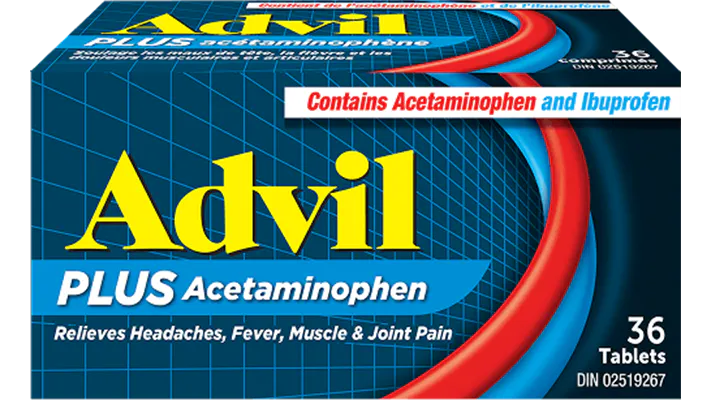
- Over-the-counter Pain Relief medication: Period pain can be treated with an over-the-counter pain reliever such as ibuprofen Advil Liqui-Gels, which is a non-steroidal anti-inflammatory drug that targets and reduces pain at the source. If the pain is more severe, consider an extra strength reliever like Advil Extra Strength Liqui-Gels.
- Heat Therapy: Soaking in a hot bath or applying heat to the lower abdomen often helps relieve period pain. Many forms of heat therapy are available in stores or at your pharmacy including heat pads, and hot water bottles.
- Adjusting your Diet: Some lifestyle adjustments can reduce your likelihood of menstrual pain. For example, add fruits and vegetables to your diet; limit your intake of alcohol, caffeine, fat, salt, and sweets.
- Exercising & Stretching: There is a perception that exercise is inappropriate when experiencing menstrual pain; however, exercise actually increases blood flow and promotes the release of mood-boosting hormones called endorphins.
What Causes Period Pain?
One Factor Is More Pain Producing Chemicals in your Body
- During your menstrual cycle, the levels of many natural chemicals in your body, like prostaglandins, may increase.
Less Blood Flow and Increased Nerve Sensitivity
- Generally, prostaglandins cause your blood vessels to shrink and cause your uterus to contract.
- There are also a lot of nerves naturally in the uterus and increased levels of prostaglandins can cause those normal nerves to become more sensitive.
Cramps, Pains and Headaches
- Menstrual cramps are pain in the lower abdominal midline that typically begins with menstrual bleeding (or 1 to 3 days before) and gradually lessens over the next 2 to 3 days. This pain can range from dull to throbbing and can radiate to other parts of the body, like your lower back.
- Menstrual headaches may seem like an odd reaction to something that’s happening in your lower abdomen, but there is a logical explanation. The hormones that regulate the menstrual cycle can also affect headache-related chemicals in the brain. When hormone levels drop (around the start of the menstrual flow), it can trigger a headache.
For more information about periods and menstrual pain, visit the menstrual pain section of our website.