



If you suffer from migraines, you know that when an attack strikes, it’s nearly impossible to think about anything else. All the more reason to take good care of yourself, learn your triggers, and know what to do at the first warning signs of an oncoming attack. Here, we’ve compiled some pre-emptive measures, as well as best practices for when headaches happen.
Preventative Do’s and Don’ts
Do's
Get The Sleep You Need
- Sleep can be a tricky spiral – not getting enough can cause migraines, yet migraines can prevent you from getting the rest you need.
- Establish a sleep routine: go to bed and get up at the same time every day, take time to relax and unwind at the end of the day, and watch what you eat and drink in the evening – heavy meals, caffeine and alcohol can interfere with a good night’s rest.
Eat Smart
- Keep meal and snack times consistent, eat nutritious foods, don’t skip meals, and avoid foods that trigger migraines.
Stay Hydrated
- Dehydration is a common migraine trigger, fortunately one that is easy to control.
- How can you tell if you’re drinking enough water? One easy way is to keep tabs on your urine colour: dark yellow urine is a sign of dehydration.
- Aim to drink enough water to keep your urine pale yellow.
Curb Your Caffeine
- Caffeine can be both a treatment and a trigger.
- Moderate amounts of caffeine can help relieve a migraine – it’s even an ingredient in many migraine meds – but too much can actually cause an attack.
- Have your morning coffee, but do keep it healthy and avoid sugary, dessert-like coffee treats.
Watch The Weather
- Changes in the weather can cause an attack.
- Learn your weather triggers, check the forecast regularly, and keep your medication on hand in case you need it.
Manage Stress
- If you are prone to migraines, constant worry and tension can bring them on.
- Strategies to combat stress include regular exercise and stretching, healthy eating, getting enough sleep, deep breathing and meditation, and progressive muscle relaxation.
- Be especially aware of tension in your jaw, neck and shoulders.
Have A Period Plan
- Changes in hormones are another common migraine trigger.
- If you get headaches around your menstrual period, pre-emptively taking medication around this time can help relieve pressure or even an attack.
Try To Head Off The Headache
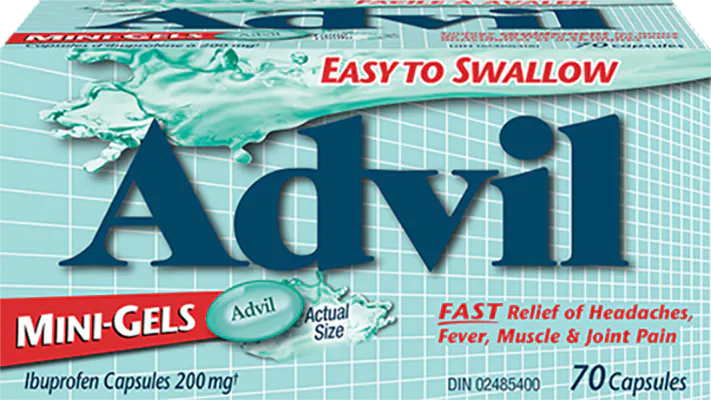
- Take an over-the-counter ibuprofen medication, like fast-acting Advil Liqui-Gels, to relieve migraines with mild to moderate pain.
Don'ts
Skip Meals
- When your blood sugar drops, your brain feels it first. Hunger is a common cause of headaches.
- Ensuring your body gets the fuel it needs throughout the day can help keep your brain from rebelling.
Overdo Exercise
- Sometimes too much exercise can spark a migraine.
- Aim for regular, moderate activity. If you are just beginning an exercise routine, start slowly and gradually increase your activity level.
Spend Hours In Front Of Screens
- Hours in front of a computer or TV can strain your eyes. For some people with migraine, eyestrain can trigger head pain.
- Take regular breaks, stretch, close your eyes, and move to get your blood flowing.
Clench Your Jaw
- If this is a problem, especially while you sleep, consult your dentist.
- Try to pinpoint the cause of stress and take actions to manage it.
Forget About Your Surroundings
- Loud noises, flashing lights, strong smells – migraine triggers are all around.
- Be aware of what is happening around you and minimize these triggers as much as possible.
Take Medications Your Doctor Didn’t Prescribe
- Follow your treatment plan, and consult your doctor if it isn’t working, or if there are any changes to your symptoms or attacks.
Overconsume Alcohol
- That glass of wine will help relax you, right? Not necessarily.
- Alcohol can be a trigger for some people, so watch for any reactions when you drink and record it in your headache diary.
- A glass every now and then may be fine, or you may need to eliminate your alcohol intake altogether.
The Big Do – Keep A Migraine Diary
To avoid your triggers, you need to know what they are. And that first step is keeping a migraine diary. Tracking your patterns and symptoms will help you and your doctor pinpoint your triggers and determine the best treatment options for you. This is key to lessening migraine severity, and it may even help prevent future headaches.
In your diary, be sure to record:
- When the attack began, including the time and day
- Any warning signs (prodrome) before the attack
- Any symptoms other than pain, like nausea, sensitivity to light or noises
- Any possible triggers, such as foods, the weather, hormones
- What you were doing and where you were, when the migraine started
- The length of the migraine
- The severity of the migraine
- The progression of the migraine
- Where you feel the pain and what it feels like
- How long after the onset of the migraine was medication taken
- What medication and how much was taken
- Any other treatments you tried
- How and if it responded to treatment(s)
- Any migraine after-effects
When Migraines Happen
You feel a migraine coming on. You’ve taken your medication. But there are a few other things you can try to help the pain subside and speed up your recovery. Remember, because no two headaches are alike, different things may work for different people, or even different attacks. Experiment with these tips to see what may work for you.
- Try a cold compress. Placing a cold compress on your forehead may help ease some of the throbbing sensation and pain. Try keeping the compress on your head for 10-15 minutes, then take a break for 15 minutes. Tip: keep a bag of frozen peas in the freezer – it’s more comfortable than ice cubes, and it will conform to the shape of your head much easier.
- Try a hot compress. While cold can help numb pain, heat can help ease tension. Use a hot pack or heating pad on your neck and shoulders to help relax tense muscles. Like the cold compress, try 10-15 minutes on, then 10-15 minutes off.
- Take a shower. Many migraine sufferers swear by a long cool shower to help ease their pain and reduce symptoms. Others say a warm shower helps relax tense muscles.
- Take an over-the-counter medication. When you start to feel the onset of a migraine, or during a migraine, to minimize symptoms, Advil Extra Strength Liqui-Gels works fast to relieve migraine symptoms.
No two headaches are alike. Experiment with these tips to see what works best for you.
- Have some caffeine. As mentioned above, a moderate amount of caffeine can help ease the pain of a migraine and help your medication work better.
- Relax in the dark. Bright lights and migraines don’t mix. Not only can they trigger a migraine, they can exacerbate the pain and symptoms. Step away from the computer screen, close the curtains, turn out the lights and relax in a comfortable room. Lay down, breathe slowly and deeply, and try your best to rest.
- Practice relaxation techniques. Learning how to relax during a migraine attack can help relieve pain. Try some gentle stretching or yoga postures, practice deep breathing and meditation techniques or progressive muscle relaxation. Incorporating these things into your daily routine can not only help ward off migraines, but can better prepare you to deal with your migraines when they do happen.
- Take some ginger. Some studies have found that taking ginger can help ease migraine pain. It has also been shown to help with nausea, which sometimes accompanies migraines. Try a supplement or brew some ginger tea. If you have fresh ginger, steep a few slices in hot water for a homemade, caffeine-free tisane.
For more information about migraines, go to the migraine section on our website.